Understanding Astaxanthin: The Power Behind the Pigment
What is Astaxanthin?
Astaxanthin is a naturally occurring carotenoid, a pigment that gives certain fruits and animals their rich red and pink hues. Found in various marine organisms, such as microalgae, salmon, shrimp, and flamingos, astaxanthin is primarily renowned for its potent antioxidant properties. Unlike many other carotenoids, astaxanthin cannot be converted into vitamin A, which sets it apart in its biological role. This unique characteristic allows it to exist in a powerful form, providing remarkable health benefits that are gaining interest in the wellness industry. To fully appreciate how powerful is astaxanthin, one must delve into its sources and health advantages.
Sources of Astaxanthin
Astaxanthin is primarily derived from microalgae, particularly Haematococcus pluvialis, which is considered one of the richest natural sources. In addition to this fundamental source, astaxanthin is also found in the following:
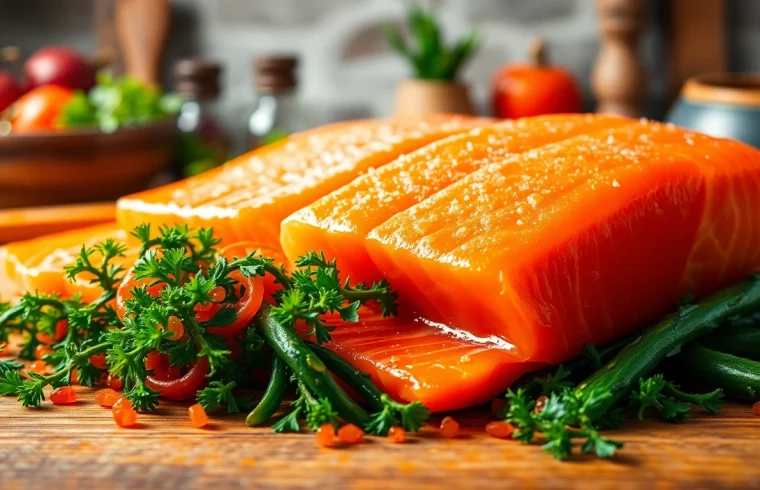
- Marine Life: Many seafood species, such as wild-caught salmon, trout, shrimp, and lobster, are significant contributors to human dietary astaxanthin.
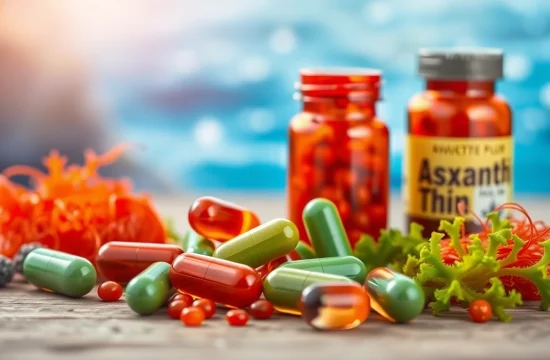
- Supplements: Available in various forms, such as capsules and softgels, astaxanthin supplements yield concentrated doses, ideal for individuals seeking its health benefits without relying solely on food sources.
- Natural Foods: Certain fruits and vegetables may contain low levels of astaxanthin; however, they are not significant sources compared to algae and seafood.
Health Benefits of Astaxanthin
The impressive list of astaxanthin’s health benefits positions it as a powerful addition to various wellness regimens. Some of the most notable benefits include:
- Anti-Inflammatory Properties: Research suggests that astaxanthin effectively reduces inflammation, which is a core component of many chronic diseases.
- Skin Protection: Due to its ability to combat oxidative stress, astaxanthin has been shown to enhance skin elasticity and hydration, while reducing signs of aging and UV damage.
- Enhanced Athletic Performance: Astaxanthin may improve endurance and recovery in athletes by reducing oxidative stress and muscle fatigue.
- Improved Eye Health: Rich in antioxidant properties, astaxanthin promotes eye health by protecting retinal cells from oxidative damage.
How Powerful is Astaxanthin in Antioxidant Protection?
Comparing Antioxidant Levels
When it comes to antioxidant power, astaxanthin stands out compared to many common antioxidants. It is reported to be 6000 times more potent than vitamin C, and significantly more effective than vitamin E as well. This unique capability allows astaxanthin to scavenge free radicals and protect cells from oxidative damage effectively.
Astaxanthin vs. Other Antioxidants
In a world filled with various health supplements, astaxanthin’s efficacy is noteworthy when compared to other antioxidants such as:
- Vitamin C: Known for boosting the immune system, it is less effective at neutralizing lipophilic toxins than astaxanthin.
- Vitamin E: While it protects cell membranes, its antioxidant action is significantly lower, making astaxanthin the superior option for comprehensive cellular protection.
- Coenzyme Q10: While beneficial for energy production, its antioxidant capacity does not compare to astaxanthin’s broad spectrum of protective abilities.
Mechanisms of Action
The antioxidant mechanism of astaxanthin operates through several pathways which include:
- Scavenging Free Radicals: Astaxanthin efficiently neutralizes harmful free radicals, protecting the body’s cells from oxidative stress.
- Enhancing Enzyme Activity: It enhances the activity of antioxidant enzymes, significantly improving the body’s overall antioxidant defense.
- Modulating Inflammatory Responses: Astaxanthin stimulates the immune response, helping in effective inflammation management.
Potential Applications of Astaxanthin in Health
Skin Health and Aesthetic Benefits
Astaxanthin has garnered attention in the skincare industry for its ability to improve skin’s appearance. Studies pointed to its efficacy in:
- Reducing wrinkles and fine lines by enhancing skin elasticity.
- Improving skin hydration levels, thereby leading to a healthier complexion.
- Providing protection against UV radiation, reducing sun damage.
Impact on Eye Health
The eyes are particularly susceptible to oxidative stress. Astaxanthin has shown promise in:
- Reducing the risk of age-related macular degeneration and cataracts.
- Improving overall visual acuity and reducing eye fatigue, especially for those who spend long hours in front of screens.
Supporting Immune Function
Astaxanthin appears to boost the immune response, leading to improved overall health. Relevant benefits include:
- Enhancing white blood cell activity.
- Providing protective anti-inflammatory effects that can help in preventing autoimmune conditions.
The Science Behind How Powerful is Astaxanthin
Research Findings
Scientific studies have continuously investigated the merits of astaxanthin. Recent findings reveal:
- Astaxanthin significantly reduces oxidative stress markers in various population studies.
- Consensus on its role in reducing chronic inflammation linked to diseases such as arthritis and heart disease.
Dosage and Safety Considerations
Most studies suggest safe daily doses of astaxanthin range from 4 to 12 mg. It is well-tolerated, but some individuals may experience digestive upset or allergic reactions. Consulting a healthcare professional is always advisable, especially for those on medication or with pre-existing health conditions.
Future Research Directions
As research expands, future studies aim to examine:
- Astaxanthin’s potential role in neurodegenerative diseases.
- Long-term health benefits from consistent supplementation.
- Comparative studies between astaxanthin from natural sources vs. synthetic sources.
Integrating Astaxanthin into Your Diet
Recap of Health Benefits
Astaxanthin’s array of health benefits makes it a standout in the nutritional supplement market, especially for its:
- Antioxidant potency.
- Skin and eye protection.
- Support for athletic performance and recovery.
Easy Ways to Add Astaxanthin
Incorporating astaxanthin into your daily routine can be seamless with these options:
- Include fatty fish like salmon in weekly meals.
- Consider adding astaxanthin-based supplements to your regime after consulting a healthcare professional.
- Increase your intake of eggs and seafood, particularly crustaceans.
Real-Life Success Stories
A multitude of testimonials report improvements in skin texture, overall vitality, and eye comfort, attributed to regular astaxanthin consumption. Users often share transformative experiences regarding enhanced athletic performance and significant skin rejuvenation.
FAQs
What is Astaxanthin used for?
Astaxanthin is used primarily for its antioxidant properties, supporting skin health, eye health, and immune function.
How does Astaxanthin compare to Vitamin C?
Astaxanthin is significantly more potent than Vitamin C as an antioxidant, offering unique health benefits and broader protection.
Is Astaxanthin safe for everyone?
Generally, astaxanthin is safe for most people; however, consulting a healthcare professional is advisable for individuals with specific health concerns.
How can I incorporate Astaxanthin into my diet?
You can incorporate astaxanthin through foods like salmon, shrimp, and algae or via dietary supplements available on the market.
What results can I expect from taking Astaxanthin?
Users often report improved skin quality, enhanced energy levels, and better overall health after consistent astaxanthin consumption.