

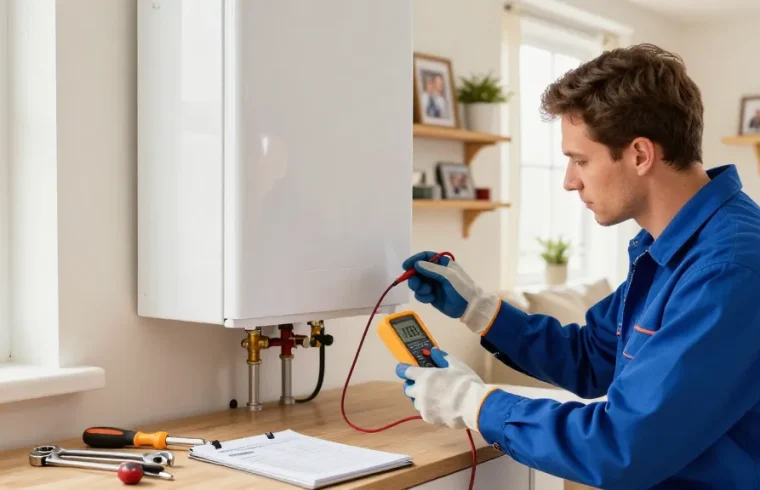
Understanding the Role of a Bedford Heating Engineer
A Bedford heating engineer plays a vital role in maintaining the comfort and safety of residential and commercial spaces by ensuring that heating systems function efficiently. With a variety of responsibilities that encompass installation, maintenance, and repair, these professionals are essential in providing reliable warmth and hot water, particularly in the colder months. When exploring options, a Bedford heating engineer provides comprehensive insights into the specific needs of local clients, catering to the unique requirements of both traditional and modern heating systems.
What Does a Bedford Heating Engineer Do?
Heating engineers in Bedford are trained professionals specializing in the installation, maintenance, and repair of heating systems. Their duties typically include:
- Installation: Setting up heating systems such as boilers, radiators, and underfloor heating to ensure efficient operation.
- Maintenance: Conducting regular checks and servicing of heating systems to prevent breakdowns and maintain efficiency.
- Repair: Diagnosing issues in heating systems and implementing timely repairs to minimize downtime.
- Advisory Role: Providing clients with expert advice on the best systems to install based on individual needs and preferences.
Common Challenges Faced by Heating Engineers
Bedford heating engineers often encounter several challenges in their work. Common issues include:
- Complex Regulations: Navigating local building codes and safety regulations can be overwhelming due to their complexity.
- Technology Changes: Keeping up with rapid advancements in heating technology requires ongoing education and training.
- Client Expectations: Balancing the need for quality service with client expectations regarding cost and time can be demanding.
Why Hiring a Professional is Crucial
Engaging a Bedford heating engineer is essential for multiple reasons. First, their expertise ensures that systems are installed correctly, minimizing the risk of future problems. Second, regular maintenance performed by a professional maximizes the longevity and efficiency of heating systems, ultimately saving homeowners money on energy bills. Lastly, in emergencies, having a qualified engineer can be the difference between a minor repair and a significant, costly issue.
Key Skills and Qualifications for Success
Essential Certifications and Training
To work as a heating engineer in Bedford, individuals must acquire specific qualifications. Typical certifications include:
- Gas Safe Registration: Required for those working with gas heating systems.
- City & Guilds Qualifications: These certifications demonstrate proficiency in various heating system technologies.
- Continuing Professional Development: Regular training sessions help engineers stay updated with new technologies and regulations.
Technical Skills Every Heating Engineer Should Master
Beyond certification, technical competence is crucial for heating engineers. Key skills include:
- System Installation: Knowledge of heating system components and their installation procedures.
- Troubleshooting: Ability to diagnose and rectify issues effectively.
- Energy Efficiency: Understanding of how to optimize systems for reduced energy consumption.
Soft Skills that Enhance Client Relationships
While technical skills are fundamental, soft skills are equally important. Effective communication, problem-solving, and customer service can significantly enhance the client experience. Being approachable and providing clear explanations build trust and encourage repeat business.
Best Practices for Efficient Heating Systems
Regular Maintenance Tips for Homeowners
Homeowners play a significant role in maintaining their heating systems. Implementing these practices can enhance efficiency:
- Schedule Annual Inspections: Regular check-ups can preempt potential issues.
- Keep Vents Clear: Ensure that radiators and vents are unobstructed to promote better airflow.
- Thermostat Settings: Utilize programmable thermostats to optimize energy use based on the household schedule.
Common Heating System Issues and Solutions
Heating systems can encounter various problems. Here are some common issues and their solutions:
- Unresponsive Thermostat: Check batteries or replace the unit if malfunctioning.
- No Heat: Inspect the boiler or furnace; it may require professional attention.
- Noisy Radiators: Bleed the radiators to remove trapped air.
Innovations in Heating Technology to Watch in 2026
The heating industry is constantly evolving. Emerging technologies expected to gain prominence include:
- Smart heating systems: Integrating IoT technology for better control and energy management.
- Hydronic heating: Utilizing water for heating, this method is both efficient and eco-friendly.
- Renewable energy systems: Solar-powered heating solutions are anticipated to become more widely adopted.
Marketing Your Services as a Heating Engineer
Building a Strong Online Presence
In today’s digital age, establishing an online presence is crucial for heating engineers. Strategies include:
- Creating a Professional Website: A well-designed site showcases services and provides contact information.
- Utilizing Social Media: Engaging with clients on platforms like Facebook and Instagram can boost visibility.
- Content Marketing: Writing blogs and articles not only demonstrates expertise but also helps in SEO.
Effective Networking Strategies in the Community
Networking can lead to valuable referrals. Effective strategies include:
- Joining Professional Associations: Organizations provide resources and networking opportunities.
- Participating in Local Events: Engaging with the community fosters relationships and raises awareness.
- Collaborating with Other Trades: Partnerships with electricians and plumbers can result in shared referrals.
Utilizing Client Testimonials for Credibility
Positive reviews can significantly impact potential clients’ decisions. To leverage testimonials:
- Request Feedback: After completing a job, ask clients for their reviews.
- Showcase Testimonials: Display positive feedback prominently on your website and social media.
- Engage with Reviews: Responding to reviews, both positive and negative, shows professionalism.
The Future of Heating Engineering: Trends and Predictions
Emerging Technologies in Home Heating
As the industry evolves, several technologies are set to reshape home heating:
- Heat Pumps: These devices are expected to see increased adoption due to energy efficiency.
- Smart Home Integration: Enhanced compatibility with home automation systems will improve user experience.
- Vertical Heating Systems: Space-saving designs are becoming popular in urban settings.
Regulatory Changes Affecting Heating Engineers
Staying informed about regulatory changes is crucial for compliance. Anticipated regulations include:
- Energy Efficiency Standards: Stricter requirements may necessitate upgrades to existing systems.
- Safety Regulations: Changes in safety codes will require regular training for engineers.
- Environmental Regulations: New laws promoting sustainability may mandate the use of eco-friendly technologies.
Preparing for the Green Energy Movement in 2026
The green energy movement is gaining momentum, impacting the heating engineering field. Steps to prepare include:
- Investing in Training: Acquire knowledge about renewable energy sources and systems.
- Adapting Business Practices: Implementing sustainable practices will appeal to environmentally-conscious clients.
- Staying Informed: Following industry trends ensures competitiveness in a rapidly changing market.
What qualifications do I need to become a heating engineer?
To become a heating engineer, one must obtain relevant certifications such as Gas Safe registration and complete technical training programs, typically through vocational schools or apprenticeships.
How can I ensure my heating system operates efficiently?
Regular maintenance, timely inspections, and adopting energy-efficient practices are key to ensuring optimal operation of your heating system.
What are the common signs of a failing heating system?
Signs include inconsistent heating, strange noises, unusual smells, or the system not turning on at all, indicating the need for professional attention.
How often should I schedule maintenance for my heating system?
It is recommended to schedule maintenance at least once a year to prevent issues and ensure efficiency.
What trends should I follow to stay competitive in my field?
Stay updated with advancements in technology, changes in regulations, and growing consumer preferences for energy-efficient and eco-friendly solutions.


