Introduction to Astaxanthin
What is Astaxanthin?
Astaxanthin is a potent carotenoid, a type of antioxidant found in various natural sources. It is known for its vibrant red-orange color, contributing to the pigmentation in seafood such as salmon, shrimp, and krill. This powerful compound is recognized for its ability to combat oxidative stress in the body, which may help in sustaining overall health and wellness. Recently, there has been growing interest in understanding how powerful is astaxanthin when it comes to improving various aspects of human health.
Natural Sources of Astaxanthin
Astaxanthin is naturally derived from several marine organisms. The most notable sources include:
- Microalgae: Haematococcus pluvialis is the richest source of astaxanthin.
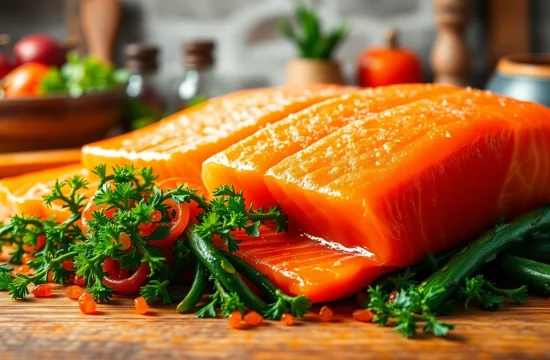
- Seafood: Salmon, shrimp, lobster, and crab are well-known for their astaxanthin content.
- Birds: Certain species of flamingos and salmon may accumulate astaxanthin through their diet, which gives them their unique coloration.
These sources not only highlight the natural occurrence of astaxanthin but also its dietary importance as a nutritional supplement for humans.
Historical Uses of Astaxanthin
Historically, astaxanthin has been utilized for its health benefits, particularly in traditional diets of coastal communities. Indigenous peoples have integrated seafood rich in astaxanthin into their diets for generations, often attributing various health benefits to its consumption. Additionally, astaxanthin has been used in aquaculture to enhance the color and nutritional profile of fish feed, ensuring that farmed fish maintain the attractive coloration observed in wild counterparts.
Benefits of Astaxanthin
How Powerful is Astaxanthin for Antioxidant Support?
The effectiveness of astaxanthin as an antioxidant is one of the most compelling aspects of this carotenoid. Studies show that astaxanthin exhibits potent antioxidant properties, significantly exceeding those of other common antioxidants such as vitamin C and vitamin E. It scavenges free radicals, minimizes oxidative stress, and protects cell membranes from damage. The unique molecular structure of astaxanthin allows it to cross the blood-brain barrier and cellular membranes, which expands its protective capabilities throughout the body.
Astaxanthin’s Role in Skin Health
Astaxanthin is a popular ingredient in skincare products due to its skin-enhancing properties. It helps to mitigate the effects of UV radiation, reducing skin damage, inflammation, and aging signs such as wrinkles and fine lines. By improving skin hydration and elasticity, astaxanthin supports a more youthful appearance. Research has indicated that regular supplementation can enhance skin’s overall texture and tone, making it a sought-after addition to beauty regimens.
Boosting Astaxanthin for Immune Function
Immunity plays a crucial role in our overall health, and astaxanthin may serve as a powerful ally in this fight. Its anti-inflammatory properties help regulate the immune response, reducing chronic inflammation that can lead to various diseases. Emerging research suggests that astaxanthin supplementation can bolster immune defense mechanisms, particularly after physical stress, which is vital for athletes and those with active lifestyles.
Scientific Evidence Behind Astaxanthin
Recent Studies on Astaxanthin
Several recent studies have highlighted the significant health benefits of astaxanthin. Research indicates that astaxanthin can reduce exercise-induced muscle damage and inflammation, enhance endurance, and aid recovery time. Further studies suggest its potential in improving cardiovascular health by supporting cholesterol levels and blood vessel function.
Astaxanthin in Clinical Trials
Clinical trials have also explored the efficacy of astaxanthin in various health conditions. Results show promising outcomes in managing blood pressure, cholesterol levels, and inflammation. Additionally, trials indicate that astaxanthin could effectively improve visual acuity and eye health, making it a subject of interest for age-related eye conditions like macular degeneration.
Expert Opinions on Its Effectiveness
Experts in the field of nutrition and natural supplements regard astaxanthin as one of the most powerful antioxidants available. Many recommend it for its broad range of health benefits, particularly in areas related to inflammation and oxidative stress. Nutritionists advocate its inclusion in a balanced diet, particularly among those with an active lifestyle or those in recovery from injuries.
How to Incorporate Astaxanthin into Your Diet
Recommended Dosages of Astaxanthin
The recommended dosage of astaxanthin can vary based on health goals and individual circumstances. Common supplementation ranges between 4 to 12 mg daily for general antioxidant support. However, higher doses may be considered for specific health issues, though it is essential to consult with a healthcare professional before increasing intake.
Choosing the Right Astaxanthin Supplements
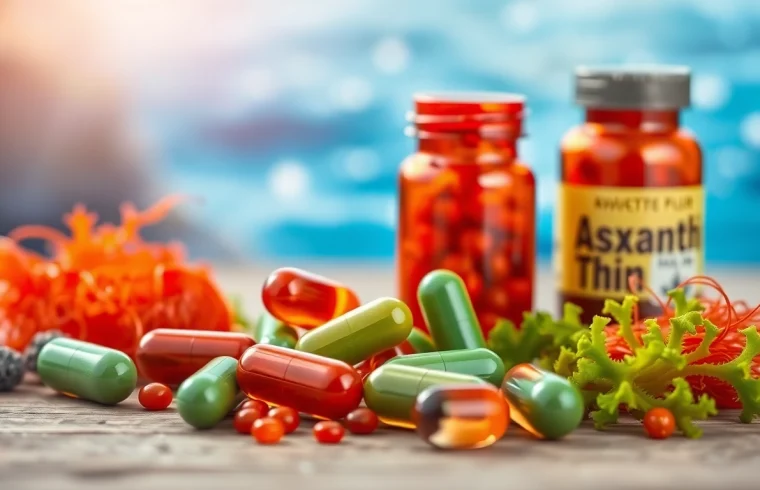
When selecting astaxanthin supplements, it is important to consider the source, form, and quality. Look for products derived from Haematococcus pluvialis, as they provide the highest concentration of active astaxanthin. Additionally, opt for products that undergo third-party testing for purity and potency, and consider forms such as soft gels or liquid for better absorption.
Recipes Featuring Natural Sources of Astaxanthin
Incorporating natural sources of astaxanthin into your meals can be both delicious and nutritious. Some easy-to-prepare recipes include:
- Salmon Salad: Combine grilled salmon with mixed greens, cherry tomatoes, and a lemon vinaigrette.
- Shrimp Stir-fry: Sauté shrimp with colorful vegetables like bell peppers and broccoli in sesame oil.
- Seafood Pasta: Toss whole wheat pasta with shrimp, clam sauce, and a sprinkle of paprika.
These meals not only deliver astaxanthin but also provide a well-rounded nutritional profile.
Potential Side Effects and Precautions
Possible Side Effects of Astaxanthin
While astaxanthin is generally safe for most individuals, high doses may lead to mild side effects such as stomach upset, changes in skin coloration (orange tint), or fatigue. These symptoms are typically transient; however, it is advisable to adhere to recommended dosages.
Who Should Avoid Astaxanthin?
Individuals with specific medical conditions, pregnant or breastfeeding women, or those taking certain medications should consult with their healthcare provider before starting astaxanthin supplementation. Additionally, those who are allergic to seafood may want to avoid astaxanthin derived from marine sources.
Consultation with Healthcare Professionals
Given the potential interactions and the unique health circumstances of every individual, seeking advice from a healthcare professional is crucial prior to beginning any supplementation regimen. They can offer tailored recommendations based on personal health history and overall wellness goals.
FAQs About Astaxanthin
What is the primary benefit of astaxanthin?
The primary benefit of astaxanthin is its powerful antioxidant properties, which help combat oxidative stress and support overall health.
Can astaxanthin help improve skin health?
Yes, astaxanthin has been shown to enhance skin hydration, elasticity, and protection against UV damage.
How should I integrate astaxanthin into my diet?
You can integrate astaxanthin through diet by consuming astaxanthin-rich foods like salmon, shrimp, and algae or through dietary supplements.
Are there any side effects associated with astaxanthin?
Potential side effects include mild digestive upset and temporary skin discoloration, especially at high doses.
Who should consult a healthcare provider before using astaxanthin?
Individuals with specific health conditions, pregnant or breastfeeding women, and those on certain medications should consult their healthcare provider prior to use.