Understanding River Rope Bridges
As they blend practicality with adventure, river rope bridges have captivated the imaginations of many outdoor enthusiasts. Whether for crossing rushing waters or simply for the thrill of traversing a swaying structure high above a riverbed, these bridges offer a unique blend of function and excitement. The craftsmanship behind these installations often showcases nature-inspired designs that harmoniously incorporate the environment, making them not just utilitarian structures but also visual spectacles. When exploring options, River Rope Bridge kits have become increasingly popular among individuals and organisations looking to create their own adventurous crossings.
What is a River Rope Bridge?
A river rope bridge is a type of suspension bridge primarily constructed with ropes and several supporting elements. Such bridges allow pedestrians to cross rivers, gorges, or other types of obstacles while providing an element of excitement. They are often designed to adapt to the location, employing materials that can withstand environmental pressures and provide safety during use. River rope bridges can vary in size and complexity, from simple, temporary structures for hiking enthusiasts to elaborate installations for tourist attractions.
History and Evolution of Rope Bridges
The history of rope bridges dates back thousands of years. The earliest known examples can be traced to ancient cultures in regions like the Andes of Peru, where the Incas constructed sophisticated grass rope bridges to navigate harsh terrains. These early constructions were not only vital for transportation but also demonstrated remarkable engineering skills, as they were made using local materials such as grass and vines. Over the centuries, the designs have evolved, incorporating modern materials such as steel cables and synthetic ropes that offer greater durability and safety.
Types of River Rope Bridges and Their Uses
River rope bridges come in various forms, each serving different purposes:
- Simple Suspension Bridges: The most basic form of rope bridges, these typically consist of two anchor points on either side of the river and a suspended platform made of rope and wood. They are commonly used in rural areas for local transport.
- Adventure Bridges: These are often found in recreational parks and are designed for tourists or adventure seekers. They may include features like bungee jumping or zip-lining sections.
- Structural Bridges: Employed in more permanent applications, these structures may use advanced materials and designs to safely support heavier loads, often linking two points in urban environments.
Safety Considerations for Crossing River Rope Bridges
While river rope bridges offer thrilling experiences, safety should always be the top priority. Before embarking on a crossing, understanding the essential safety considerations is crucial to ensure a secure adventure.
Essential Safety Equipment for River Crossings
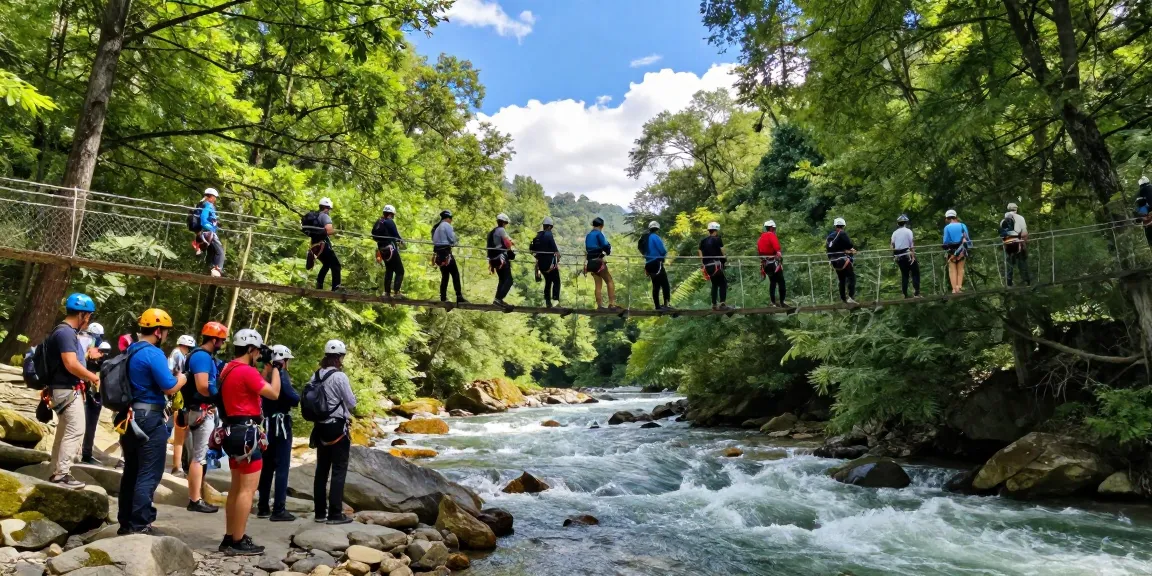
Proper equipment is essential when crossing a river rope bridge. The following items are critical for a safe crossing:
- Harnesses: A well-fitted harness should be worn to ensure safety when traversing suspension bridges.
- Climbing Gear: Items such as carabiners and safety ropes help secure individuals to the bridge.
- Helmets: Safety helmets provide protection from potential falls or collisions with surrounding structures.
Common Risks and How to Mitigate Them
Common risks associated with river rope bridges include slips, falls, and structural failures. To mitigate these risks:
- Use Quality Materials: Always opt for high-quality ropes and connectors that can withstand environmental conditions.
- Regular Inspections: Conduct frequent checks of the bridge’s structural integrity and the condition of all equipment.
- Cross in Small Groups: Reducing the weight on the bridge at any one time decreases the likelihood of failure.
Best Practices for Safe Navigation
To safely navigate a river rope bridge:
- Stay Low: When crossing, lower your centre of gravity to improve stability.
- Maintain Balance: Keep your weight centred and move deliberately to avoid swaying.
- Communicate: Use hand signals or verbal cues when crossing in groups to ensure everyone maintains pace and awareness.
Designing Your Own River Rope Bridge
For those interested in creating their own river rope bridge, understanding the design process is vital. A well-constructed bridge not only serves its purpose but also enhances the surrounding environment.
Materials Needed for Building a Rope Bridge
When designing a river rope bridge, consider the following materials:
- High-Strength Ropes: Synthetic ropes resistant to UV rays and abrasion will offer longevity.
- Wooden Planks: For the bridge deck, sturdy wooden boards provide a reliable surface to walk on.
- Anchorage Systems: Secure anchoring systems using concrete or large boulders are essential for stability.
Step-by-Step Guide to Constructing a Safe Bridge
- Select a Location: Choose a site with stable ground and reasonable access on both banks of the river.
- Prepare the Anchors: Dig holes and place the anchors securely in the ground to ensure they can withstand tension.
- Attach Ropes: Securely tie the ropes to the anchors, ensuring they can handle the intended load.
- Install the Deck: Lay wooden planks across the ropes, ensuring they are evenly spaced for safety.
- Inspect Your Work: Before using the bridge, conduct a thorough inspection of all elements to confirm safety.
Maintenance and Inspection of Your Rope Bridge
Proper maintenance is crucial for the longevity of a river rope bridge. Regularly check the following:
- Rope Condition: Look for signs of wear or fraying in the ropes.
- Deck Stability: Ensure that the wooden planks remain securely fastened and do not show signs of rot.
- Overall Integrity: Assess the bridge’s overall structure and anchoring systems for any movement or slippage.
Adventure Activities Involving River Rope Bridges
Integrating river rope bridges into adventure activities can significantly enhance the experience. These bridges can serve as key features in various outdoor events.
Rope Bridge Crossings in Extreme Sports
In extreme sports, rope bridges are often included as elements of adventure races, obstacle courses, or team-building events. Participants can tackle challenges that require strategy, balance, and teamwork, making the experience both thrilling and rewarding.
Integrating Rope Bridges into Hiking and Camping Trips
Rope bridges provide excellent opportunities to access otherwise unreachable hiking trails or campsites. They can serve as connections between different parts of a trail, allowing adventurers to explore more terrain safely.
Organising Group Adventures: Tips and Strategies
When planning group activities involving rope bridges, consider the following:
- Pre-Event Training: Organise training sessions to familiarise participants with safety equipment and techniques.
- Set Clear Rules: Establish guidelines for crossing and ensure everyone understands the plan.
- Encourage Teamwork: Promote collaboration among group members to foster a supportive environment while crossing.
Future Trends in River Rope Bridges
As we move toward 2026, innovations in the design and materials of river rope bridges are expected to emerge, pushing the boundaries of what these structures can offer.
Innovations in Design and Materials for 2026
Advancements in engineering and materials science suggest that we might see rope bridges using lightweight composites and smart rope technology that can alert users about wear and stress on the structure. These developments will improve safety and reliability, enticing more adventure seekers to utilise these unique crossings.
Environmental Impact and Sustainable Practices
The construction and maintenance of river rope bridges will increasingly focus on sustainability. This includes using biodegradable materials and techniques that minimise ecological disruption, helping to preserve the natural landscapes they inhabit.
Trends in Adventure Tourism Involving Rope Bridges
As adventure tourism continues to rise, it is likely that more destinations will incorporate river rope bridges into their offerings. This not only attracts visitors but also encourages local economies to thrive through experiential activities.
What are the benefits of crossing a river rope bridge?
Crossing a river rope bridge provides various benefits, including enhancing physical fitness, offering thrilling experiences, and fostering connection with nature.
How can I safely build my own river rope bridge?
Ensure you follow a proper design plan, use quality materials, and maintain the structure regularly to guarantee safe use.
What types of adventures can be enhanced by rope bridges?
Rope bridges can significantly enhance hiking, camping, and extreme sports, providing unique challenges and experiences.
Are there specific locations known for iconic rope bridges?
Yes, famous locations include the Carrick-a-Rede Rope Bridge in Northern Ireland and various bridges in the Andes, each with its unique history and appeal.
What safety gear is necessary for crossing a river rope bridge?
Essential safety gear includes harnesses, helmets, and climbing equipment designed to ensure safe crossing.