Understanding Beyin Ameliyatı: What You Need to Know
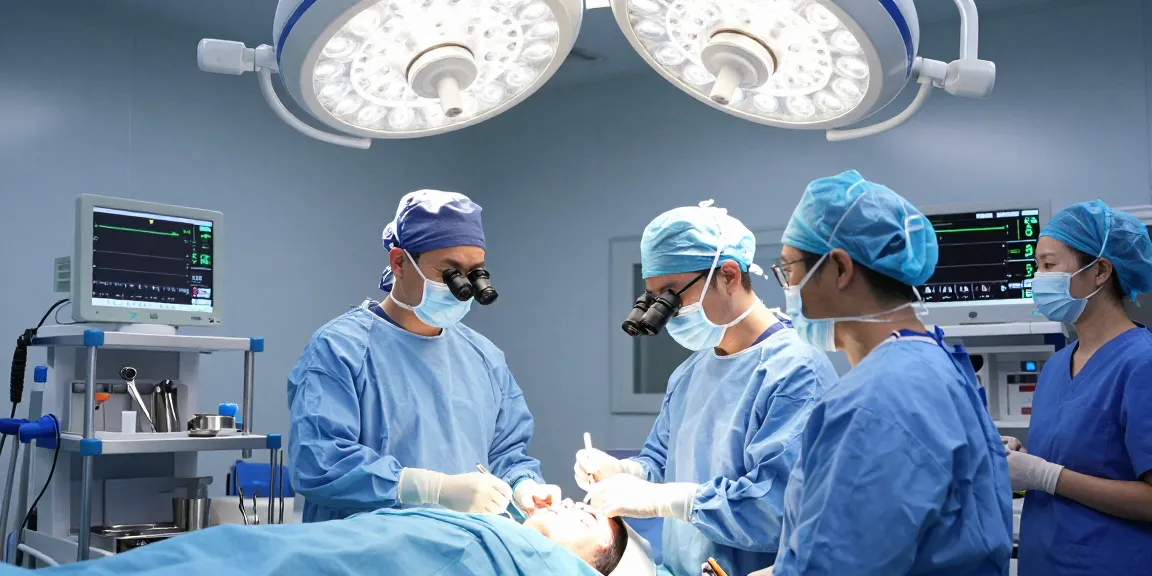
Beyin ameliyatı, or brain surgery, represents a pivotal intervention in the treatment of various neurological disorders such as brain tumors, hemorrhages, and traumatic injuries. With advancements in surgical techniques and technology, understanding this complex field is essential for patients and their families. This article delves into the types of surgeries available, the preparation required, common risks associated with these procedures, and what to expect during recovery. When exploring options, Beyin ameliyatı offers comprehensive insights that can assist in making informed decisions.
Types of Brain Surgeries
Brain surgeries can be categorized into several types, each tailored to specific conditions:
- Brain Tumor Surgery: This involves the removal of tumors that can be benign or malignant. The predominant technique used is craniotomy, which entails opening the skull to access the tumor.
- Minimally Invasive Techniques: Techniques such as endoscopic surgery allow for the removal of tumors through small incisions, significantly reducing recovery time and associated risks.
- Aneurysm Repair: Surgical interventions for aneurysms can be open or endovascular, depending on the size and location of the aneurysm.
- Hemorrhage Treatments: Procedures for alleviating pressure from bleeding in the brain, such as evacuation of hematomas, are critical for preventing permanent injury.
- Awake Craniotomy: For tumors located in crucial functional areas, this technique allows for patient feedback during surgery to minimize neurological damage.
Preparation for Surgery
Preparation for a brain surgery begins weeks in advance with a thorough evaluation to assess the patient's overall health and specific neurological condition. This may include:
- Imaging studies such as MRI or CT scans to determine the exact location and size of the issue.
- Blood tests to evaluate overall health and detect any underlying conditions.
- Consultations with a multidisciplinary team, including neurosurgeons, anesthesiologists, and rehabilitation specialists.
Patients are often advised to avoid certain medications, particularly blood thinners, to reduce the risk of complications during surgery.
Common Concerns and Risks
Every surgical procedure carries inherent risks. Key concerns regarding brain surgeries include:
- Infection: Any surgery poses an infection risk, which can be serious for brain procedures.
- Bleeding: Post-operative bleeding can lead to complications requiring additional intervention.
- Neurological Changes: There is always a potential risk of changes in motor skills, speech, or cognition due to the proximity to critical brain areas.
- Rehabilitation Needs: Extensive recovery and rehabilitation may be necessary depending on the surgery type and patient condition.
The Surgical Procedure: Step-by-Step Insights
The surgical procedure for brain surgery typically follows a structured approach. Understanding this can help alleviate anxiety for patients and their families:
What Happens During Beyin Ameliyatı?
On the day of the surgery, patients will arrive at the hospital, where they will undergo pre-operative preparations including anesthesia assessments. The steps of the procedure usually involve:
- Administration of anesthesia, which may be general or localized depending on the type of surgery.
- Creation of an incision on the scalp and, if needed, opening of the skull (craniotomy).
- Targeted surgical intervention to remove tumors, repair aneurysms, or manage hemorrhages.
- Closure of the incision and monitoring in recovery.
Surgical Techniques Explained
Advancements in neurosurgery have led to the development of various techniques:
- Microsurgery: Utilizes high-powered microscopes for precision, reducing damage to surrounding tissues.
- Endoscopic Surgery: Minimally invasive, this technique uses a small camera and instruments to perform surgery without large openings.
- Awake Surgery: Allows surgeons to monitor brain function in real-time; patients may be asked to perform tasks as the surgery progresses.
Post-Operative Monitoring and Care
Post-operative care is critical for recovery. Patients are typically monitored in a recovery unit for a few hours to check for any immediate complications. Vital signs are closely watched, and neurological checks are performed regularly. Following this, they may be moved to a patient room where:
- Physical therapy may begin to aid recovery.
- Patients receive medications to manage pain and prevent infection.
- Continuous assessments are conducted to ensure appropriate recovery progress.
Recovery After Beyin Ameliyatı: What to Expect
Understanding the recovery timeline and the symptoms that may arise afterward is vital for setting expectations for patients and their families.
Typical Recovery Timeline
Recovery from brain surgery varies significantly based on the type of procedure, the patient's overall health, and the nature of the condition being treated. Below is a general timeline:
- First week: Hospital stay typically lasts several days, with close monitoring.
- Two to four weeks: Patients may gradually resume light activities, with ongoing physical and occupational therapy.
- One to three months: Full recovery can take months, with significant improvement often experienced over this period.
Managing Symptoms and Side Effects
Post-operative symptoms can include:
- Pain: Common and usually managed with prescribed pain relief.
- Fatigue: A frequent complaint; patients should prioritize rest.
- Cognitive Changes: Some patients may experience memory issues or difficulty concentrating, which can improve over time.
Rehabilitation and Follow-Up Care
Rehabilitation is a crucial part of recovery post-surgery. It often involves:
- Physical therapy to regain strength and mobility.
- Occupational therapy to assist with daily living activities.
- Regular follow-ups with healthcare providers to monitor progress and adjust treatment plans.
Costs and Insurance Coverage for Beyin Ameliyatı
The financial aspect of brain surgery is often a significant concern. Costs can vary widely depending on several factors:
Understanding Treatment Costs
Costs related to brain surgery may include:
- Surgery fees, which can vary based on the complexity and type of procedure.
- Hospital stay and post-operative care.
- Medications and rehabilitation services post-surgery.
Insurance Options Explained
Insurance coverage for brain surgery typically depends on the policy details. Key points include:
- Public health insurance may cover most surgical costs but consult your policy for specifics.
- Private insurance often provides additional coverage for specialized treatments and procedures.
Financial Assistance Resources
Many hospitals offer financial counseling services to help patients navigate their costs and insurance coverage. Patients should inquire about these resources to better understand their options and find potential financial aid opportunities.
Future Trends in Neurosurgery for 2026 and Beyond
As technology continues to advance, neurosurgery is poised for substantial improvements in techniques and outcomes. Here are some anticipated trends:
Technological Advancements in Surgery
Emerging technologies such as robotic-assisted surgery and enhanced imaging techniques are expected to allow for more precise interventions with fewer complications.
Emerging Treatments and Techniques
New therapies, including gene therapy and personalized medicine approaches, could revolutionize treatment options for brain conditions, improving prognosis and reducing side effects.
Predictions for Patient Outcomes and Care
With continuous advancements, patient outcomes are likely to improve significantly, leading to lower mortality rates and enhanced quality of life post-surgery.
What’s Next for Brain Surgery?
The future of brain surgery looks promising with ongoing research contributing to more effective, less invasive techniques. For more information, Beyin ameliyatı offers valuable insights. Continuous education for healthcare providers and patients alike will remain crucial in adapting to these changes.